Top advertisement

 US-Boyceville, WI 54725
 DE-87437 Kempten
M: DANNY

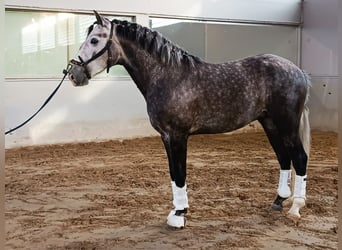
 PT-4000 Oporto

 US-Cushing, OK 74023


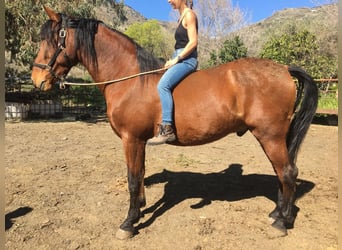

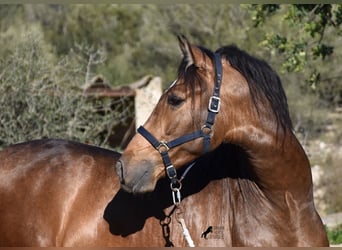


 BE-5330 Courrière
 US-Ravenna 75476
 DE-49393 Lohne (Oldenburg)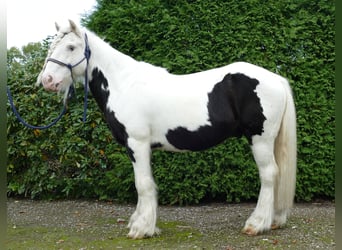


 ES-28816 Camarma de esteruelas



News





 US-Antlers, OK 74523
 US-Half Way, MO 65663













About ehorses
We connect people & horses - worldwide! We love horses and we love being online: A unique combination that creates a new experience in the traditional horse world. ehorses enables a cross-border exchange between people who share a passion for horses. Since 1999 we have developed from a startup to the largest horse market in the world. In order to continue this success story, we are constantly setting ourselves new goals that will lead our way.
You are looking for the right horse or you want to sell your horse to the right people? In this case ehorses is exactly the right platform for you. You will quickly and easily find a wide range of horses of all breeds on our online horse market: trained dressage horses, reliable jumpers or excellent ponies for leisure time - in our horse market you can choose from horses of all performance classes and disciplines. If you would like to refer your horse to a new horse friend and handle a horse sale, there are also ideal opportunities on ehorses. Via our ehorses horse market you can reach potential prospects for horse sales worldwide. We would like to enable you to buy horses and sell horses from all over the world. You will find the perfect buyer for your horse - uncomplicated and fast.
ehorses is the perfect platform for horse enthusiasts who are looking for a new riding partner as well as owners who want to place their horse in good hands by selling it in a safe and uncomplicated way. While buyers can look for a horse, sellers reach a wide circle of prospective buyers via the online market. So ehorses proves to be not only the ideal address for professional horse sales, but also the perfect horse market for all those who are looking for a platform for buying horses. You find more than 18,000 advertisements from private and commercial providers: horses of all aptitudes are for sale, from high-performance sport horses to Haflinger for pleasure riding.
Sellers near by

Start a free test phase
If you are looking for a horse or would like to sell a horse, ehorses is a professional online platform for the purchase and sale of horses of all breeds. The world's largest horse market offers thousands of horses for sale every day. Whether sport horse or sport pony, broodmares or dressage- and showjumping-horses, the horse market comprises a large number of sales advertisements with horses of all disciplines.
Even less common horse breeds are represented and breeders will also find an huge selection of stallions and broodmares in the online horse market. ehorses is the leading marketplace for the placement of horses for sale. If you would like to buy one or more horses, but haven’t found your dream horse yet, the ehorses horse market is the place to be for you. With the help of the detailed search you can classify all offered horse to many criteria. You can also create a search order that will always inform you about newly hired horses according to your criteria. The horse market offers you horses from breeding to polo sport to the show.
By advertising on the one hand and the search function on the other, the horse market brings interested people and sellers quickly and easily together. While searching buyers can obtain an overview and detailed information about the horses offered for sale. If there is interest in a horse, the first step is to contact the seller. It always makes sense to ask questions in advance, preferably in a personal telephone call. After that an appointment should be agreed afterwards, so that the possibility of looking at the horse from the proximity exist.
Whether as a premium seller or a basic provider: The sale of horses at ehorses is simple and effective. With over 16 million page impressions per month, our horse market offers the ideal platform to sell your horse or horses. As a premium seller you have professional sales tools at your disposal, which will increase your sales.
Stallions at stud
Foals
Advertise now
The sale of horses as a premium seller offers many advantages, such as an extensive statistical evaluation, an unlimited duration of your advertisements as well as a personal and equestrian-experienced service. When selling your horses, you can enter breed, type, suitability, sex, price and many other characteristics for the horses for sale and offer them to interested people. Thus the horse can be conveniently presented in our horse market according to previously defined characteristics, same for the purchase of horses. Here your can filter to the required characteristics, so that you find horses with your completely personal conceptions.
There is also a horse market for breeding horses, which is specifically for breeders. Here it is possible to buy horses with a view to registered broodmares and licensed stallions and furthermore to find a stallion which can be claimed by paying a stud fee. The horses for sale are offered by private horse owners as well as by studs, breeders, riding and training stables who have the necessary experience in the horse trade.
The horse market offers sellers the opportunity to find interested people for horse sales worldwide. Owners, who are looking for a suitable customer, can offer their horse with an advertisement for the sales and place thereby arbitrarily many announcements. No matter if you want to sell a Hanoverian, a pony for children or a handsome Haflinger - a buyer can be found quickly because of the high number of visitors. For a successful horse sale owners should consider some points: In order to increase the sales chances, we recommend to arrange the horse advertisement as meaningful as possible. All important information about the horse should be provided, starting with the basic data and characteristics such as age, breed, sex, suitability, colour and size. A description of the ancestry is just as important as information on the level of training, on possible successes or on the interior.
With the right advertisement and with ehorses as your partner, you will make a successfull horse sale.
Our partners


We are at your service


+1 213-336-4204
+49 54 01 88 13 200
Fri. 9 am- 2 pm CET

ehorses is recommended by


